What Makes a Good Personal Trainer?
Becoming a Personal Trainer is about much more than knowing your way around a gym. While understanding exercise technique, programming and the human body are important parts of the job, the best Personal Trainers also know how to connect with people, understand their goals and support them through the ups and downs of their fitness journey.
Every client who walks through the door is different. They may have different fitness levels, goals, personalities, lifestyles and reasons for wanting to exercise. A good Personal Trainer understands these differences and adapts their approach to help each client get the most out of their training.
So, what separates a good Personal Trainer from the rest?
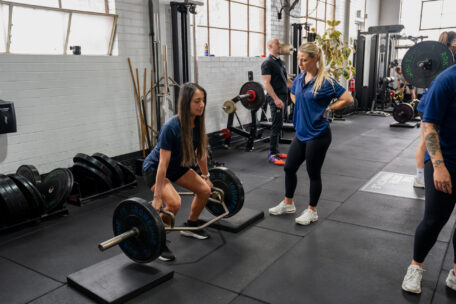
They understand their client
One of the most important skills a Personal Trainer can develop is the ability to listen.
Before creating a training program, a PT should understand what their client actually wants to achieve and, importantly, why they want to achieve it.
For one person, the goal might be to build strength or improve their fitness. For another, it could be having enough energy to play with their children, improving confidence or simply feeling better in everyday life.
Taking the time to ask questions and listen to the answers can help a trainer understand what motivates their client. This information can then be used to create meaningful goals and a training approach that suits the individual.
They communicate effectively
Having extensive fitness knowledge is valuable, but being able to communicate that knowledge is just as important.
A good Personal Trainer should be able to explain exercises clearly, demonstrate correct technique and provide feedback in a way their client understands.
Communication also extends beyond giving instructions during a workout. Trainers need to know when to encourage, when to listen and when to adjust their communication style depending on the person in front of them.
Some clients may respond well to lots of encouragement and energy, while others may prefer a calmer and more supportive coaching style. Understanding those differences can help build stronger relationships and create a better training experience.
They adapt their approach
There is no single training program or coaching style that will work for every client.
Clients can have different abilities, injuries, training histories and preferences. Their circumstances can also change from week to week.
A good Personal Trainer should be prepared to adapt when necessary. This could mean modifying an exercise, changing the intensity of a session or adjusting a program when a client’s goals or circumstances change.
Rather than applying a one-size-fits-all approach, successful trainers create personalised programs that consider the individual standing in front of them.
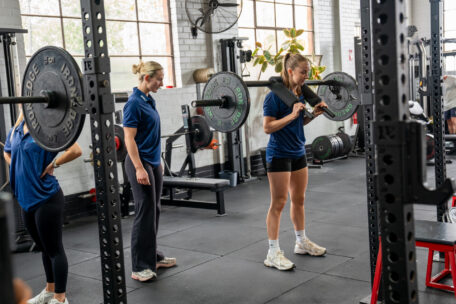
They know how to motivate
Even the most committed people experience periods where their motivation drops.
This is where a Personal Trainer can make a significant difference.
A good PT understands what motivates their clients and helps them reconnect with the reasons they started training in the first place. Setting realistic goals, monitoring progress and recognising achievements can all help clients stay engaged with their training.
Motivation doesn’t always mean pushing someone harder. Sometimes it means recognising when a client needs encouragement, adjusting their goals or simply reminding them how far they have already come.
They continue learning
Completing your fitness qualifications is an important step towards becoming a Personal Trainer, but learning shouldn’t stop once you become qualified.
The fitness industry continues to evolve as new research, training methods and technologies emerge. Great trainers remain curious and continue developing their knowledge throughout their careers.
Professional development can take many forms, including workshops, additional courses, industry events, podcasts and keeping up with relevant research.
Continuing to learn doesn’t just help trainers expand their skills. It also means they can provide clients with informed, relevant and effective coaching.
They build genuine relationships
For many clients, a Personal Trainer becomes an important part of their weekly routine.
Being professional, reliable and approachable can help create trust between trainer and client. Over time, understanding a client’s personality, lifestyle and challenges can make it easier to provide the support they need.
Clients want to feel like their trainer genuinely cares about their progress rather than simply taking them through another workout.
The strongest trainer-client relationships are built on trust, communication and a shared commitment to achieving realistic goals.
How do you become a Personal Trainer?
If these qualities of being a successful trainer sound like you, becoming a qualified Personal Trainer could be the next step towards turning your passion for fitness into a career.
In Australia, the Certificate III and Certificate IV in Fitness provide a pathway towards working as a qualified Personal Trainer. During your studies, you’ll develop knowledge and skills across areas such as anatomy and physiology, client screening and assessment, exercise programming, movement analysis, client behaviour change and business development.
AFA’s SIS30321 Certificate III in Fitness and SIS40221 Certificate IV in Fitness combine these qualifications into a Personal Trainer pathway designed to develop the knowledge and practical skills needed to enter the fitness industry.
Ultimately, being a good Personal Trainer isn’t about having the most complicated program or pushing every client to their absolute limit. It’s about combining fitness knowledge with communication, adaptability, patience and a genuine desire to help people improve.
Ready to turn your passion for fitness into a career? Explore AFA’s Certificate III & IV in Fitness and take the first step towards becoming a Personal Trainer.